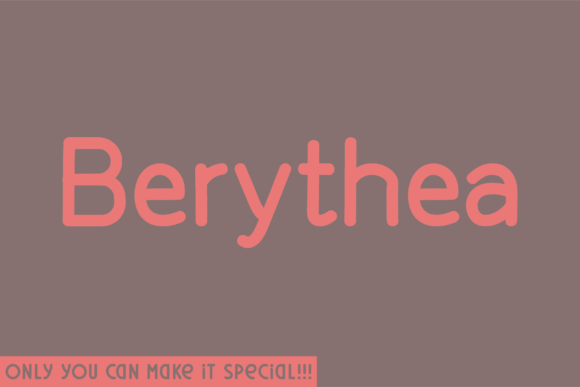
Berythea: A Natural Handwritten Typeface for Makers
The late afternoon sun was streaming across my workbench, illuminating a stack of matte kraft labels I had just printed. I was in the final stages of preparing a small batch of soy candles for the upcoming holiday market, and something felt off. The typography on the labels was clean, yes, but it lacked soul. It felt too digital, too rigid for products that were poured by hand and scented with natural oils. I needed a typeface that breathed, one that carried the warmth of the crafting process itself. That is when I loaded Berythea.
As soon as I typed out the scent name, "Lavender & Sage," the difference was immediate. Berythea is not just another font; it is a natural handwritten typeface that retains the organic imperfections of human writing. What makes this font particularly interesting and unique is its construction. It was created without changing a single node in each character’s indentation. This technical detail might sound minor to a non-designer, but for those of us who obsess over the authenticity of our brand identity, it means every letter retains its original, unpolished charm. It does not look like a computer tried to mimic handwriting; it looks like actual handwriting.
Bringing Authenticity to Product Labels and Packaging
For handmade sellers, the unboxing experience is just as important as the product itself. When a customer receives a package, the first thing they see is the exterior branding. Using a sans serif font that feels personal can instantly elevate the perceived quality of your goods. I tested Berythea on a set of boutique tags for my linen tote bags. The result was striking. The letters sat comfortably on the textured paper, their slight irregularities complementing the weave of the fabric rather than competing with it.
This font shines brightest when used for short phrases, product names, and decorative wording. It is perfect for quotes, notes, tees, and any product where you want to convey a sense of approachability and care. Because Berythea is a sans serif style, it avoids the ornate flourishes of script fonts that can sometimes become illegible at smaller sizes. This makes it an excellent choice for candle labels, jar stickers, and soap wrappers where space is limited but clarity is essential. The visual personality of Berythea is warm and inviting, striking a balance between modern minimalism and rustic charm.
Versatility Across Handmade Categories
One of the most rewarding aspects of adding a new tool to my design arsenal is discovering its range. Berythea is not limited to physical product labels. I have found it to be incredibly versatile across various creative projects. For instance, I recently designed a set of printable wall art featuring inspirational quotes. The natural flow of the letters made the text feel like it had been written specifically for the viewer, creating an emotional connection that standard typed fonts often miss.
In the realm of stationery, Berythea works beautifully for greeting cards and wedding invitations. Imagine a minimalist wedding invite where the couple’s names are rendered in this gentle, handwritten style. It suggests intimacy and thoughtfulness without being overly formal. Similarly, for planner pages and digital downloads, the font adds a layer of personality that helps these tools feel less like corporate spreadsheets and more like personal journals. Whether you are creating seasonal craft designs for Christmas ornaments or everyday shop branding, the consistency of Berythea helps maintain a cohesive brand identity.
Readability and Technical Considerations for Crafters
While the aesthetic appeal of Berythea is undeniable, practical application requires attention to detail. As a crafter who frequently uses cutting machines like Cricut and Silhouette, I always test readability before committing to a large production run. Because Berythea is a handwritten font, it is crucial to ensure that the size is appropriate for the medium. For small stickers or intricate product labels, I recommend keeping the font size large enough to preserve the integrity of each character’s indentation. This ensures that the unique texture of the font remains visible and does not blur into illegibility.
When designing for mugs, shirts, or tote bags, consider the contrast between the font and the background. Berythea performs exceptionally well on light backgrounds with dark ink, but it also holds its own on darker materials if printed in white or metallic foil. The key is to let the natural spacing of the letters breathe. Crowding the text can diminish the airy, relaxed mood that defines this typeface. Always preview your designs in a mockup environment to check how the font interacts with other design elements.
Pairing Berythea for Balanced Design Assets
No font exists in a vacuum, and successful typography often relies on effective pairing. Berythea pairs wonderfully with a clean, geometric sans serif font for body text or secondary information. This combination creates a pleasing contrast between the organic, human touch of the headline and the structured reliability of the details. For example, on a candle label, you might use Berythea for the scent name and a simple sans serif for the weight and ingredients list. This hierarchy guides the customer’s eye and enhances overall readability.
Alternatively, for a more eclectic look, you can pair Berythea with a bold display font or a subtle serif font. This approach works well for editorial design projects, such as lookbooks or social media graphics, where you want to create visual interest. The goal is to complement Berythea’s natural rhythm without overpowering it. By experimenting with different combinations, you can discover unique ways to express your brand’s voice through modern typography.
Licensing and Commercial Use for Small Businesses
Before integrating any new typeface into your commercial workflow, it is vital to review the licensing terms. As a small shop owner, I always check whether a font allows for use in physical products, templates, printables, and digital downloads. Berythea is designed with creators in mind, making it a suitable choice for those selling merchandise, SVG-style designs, and custom invitations. However, always verify the specific permissions regarding web design, logo design, and mass production to ensure compliance.
Additionally, take time to explore the included styles and file formats. Understanding whether the font supports multilingual characters or includes alternates and ligatures can expand your creative possibilities. These features allow for greater customization in your design assets, ensuring that your final products look professional and polished. By respecting the licensing agreements and leveraging the full potential of the font, you protect your business while enhancing your creative output.
Incorporating Berythea into my workflow has changed the way I approach design. It reminds me that perfection is not about rigid symmetry, but about authentic expression. Whether you are labeling a jar of homemade jam, designing a wedding welcome board, or creating a new line of printable planners, this font offers a bridge between the digital and the handmade. It invites your customers to slow down and appreciate the care behind every item, turning simple transactions into meaningful connections.